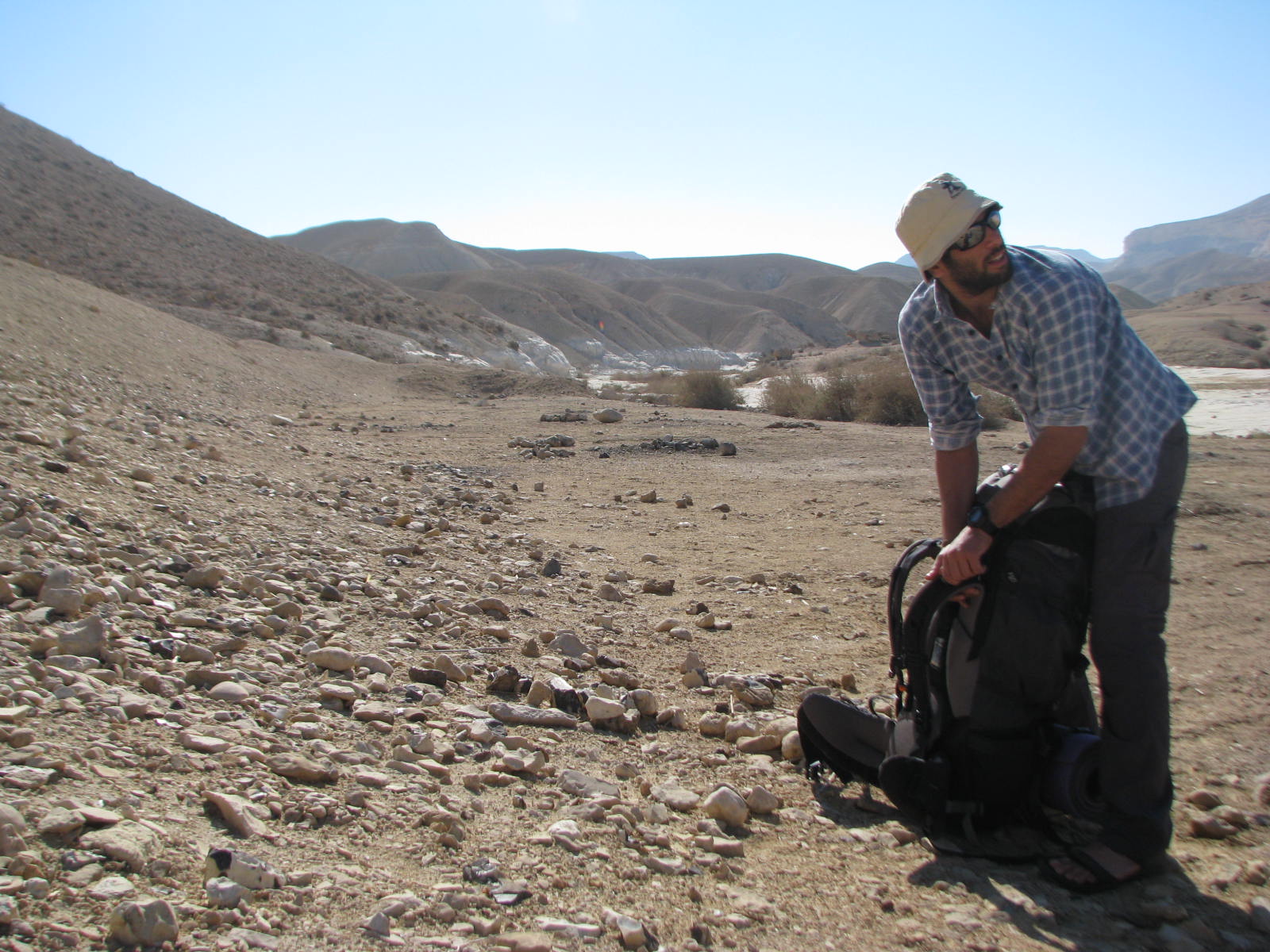
In Part 1, we answered the question of when to do the Israel National Trail and the basic equipment required, and in Part 2 we’ll delve into further important details of essential equipment for the trail. Good preparation and prudent planning will facilitate a much lighter and easier trip but usually the hard part is deciding what we really need, what we can afford to leave behind and how many of each item to pack. You can also apply this list to other long trails in Israel and abroad.
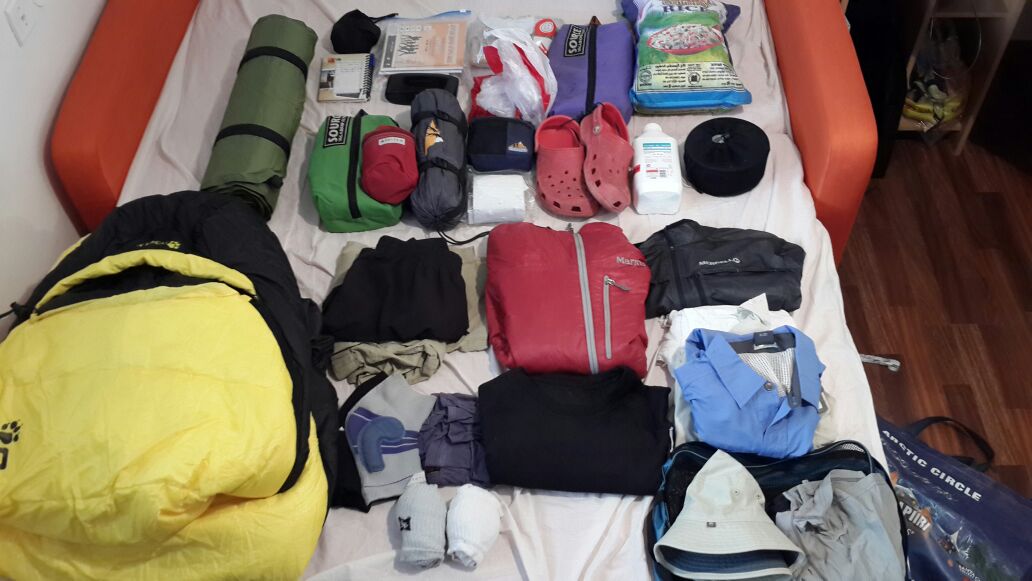
List of Equipment for Israel National Trail:
For a thru hike like the Israel National Trail, when you’ll be traveling on foot consecutively for two months, there’s no room for unnecessary stuff. I believe that experience is the greatest teacher, and has helped me understand that a heavy Leatherman (multy tool), for example, isn’t really necessary, but an extra shoelace can be extremely valuable.
I compiled this list based mainly on my experience in the field, and kept it focused on the essential items I take with me. Of course, what works for me won’t necessarily work for you. Another important thing to note is that the equipment list for the Israel National Trail is different to, let’s say, the Yam LeYam Trail (coast to coast). Variables such as the length, intensity or location of the trail are some of the many factors that will determine your list of essential, sensible items.
Here ends my introduction. What follows is the full list sorted by when each item is used, with examples.
Clothing
Hiking Clothes:
- Long-sleeve UV protection shirt (button-up or long-sleeve T-shirt).
- Convertible hiking pants.
- Hat.
- ExOfficio wicking underwear.
- Wicking socks.
- Sunglasses (optional)
Overnight Clothing:
- Insulating fleece.
- Rain jacket/windbreaker.
- Thin short- or long-sleeve shirt.
- Cotton shorts or pants.
- Regular socks (for cold nights in early February departures).
Miscellaneous:
- Wool cap.
- Light scarf/Neck warmer.
- Gloves (for early February departures).
- Speed pants for walking on hot days or wading/swimming.
Footwear:
- High or mid hiking boots.
- Crocs for end of day (Chaco sandals are too heavy, Shoresh sandals will do).
Bags and Storage:
- 60-70 liter backpack with good back support.
- Cloth sack for storage of food supplies.
- Medium Ziploc bags for rationing meals.
- Glasses case.
- Strong nylon garbage bag for all overnight supplies (designated solely for this purpose and always kept dry).
Shelter:
Tent and insulation tarp (for departures in rainy and/or cold weather)
Pegs and cords for pitching and anchoring tent
For solo travelers, carrying a tent adds significant weight so think carefully if the time of year really necessitates a tent. If you’re traveling in pairs or as a group, the weight of the tent can be distributed which means it’s not a bad idea to take one. Always remember, that in the event you do take a tent and then realize you don’t need it anymore or at all, you’ll be able to leave it with a Trail Angel, a friend or family you coordinate to meet somewhere along the route.
Overnight Supplies:
- 0-10 degree sleeping bag + compression sack.
- Egg crate foam pad / Klymit Static V inflatable sleeping pad.
Cheap foam mattresses don’t make the cut. Good quality sleep is essential for maximum efficiency and maintaining your body’s healthy functioning throughout the trail. This is also the reason you should go to bed dry and as comfortable as possible within the constraints of sleeping in the great outdoors.
Food Prep and Supplies:
- Gas burner.
- Pot.
- Bowl (relevant for 2 or more travelers; solo travelers can eat directly from the pot).
- Bamboo cup for hot drinks.
- Gas canister.
- Lighter/matches.
- Condiment kit.
- Spoon or fork.
- Samstrong bag for all supplies excluding pot.
Water:
- 3-liter hydration pack (such as Shoresh).
- 2 X 1.5 liter water bottles.
Remember that you’ll need water for cooking, brushing teeth and washing up. Some campsites have water taps. The total required quantity of water per person per day is: 4 liters in the North and 6 liters in the South.
Navigation and Orientation:
- Up-to-date trail map for each region/Israel National Trail map series by ShvilNet.
- The Red Book – Israel National Trail Guidebook (for detailed route descriptions).
- Small outdoor journal to record notes and directions to water stash points.
- Navigation watch (if you already have one).
- Pen or pencil.
- Printed list of Israel National Trail “Trail Angels”.
- Ziploc bag for storing maps.
Note: Transferring information from your phone to your notebook is vital. Directions to water stash points and a list of Trail Angels should be accessible in the event your phone battery runs out.
First Aid Supplies and Miscellaneous Supplies for General or Emergency Use:
- Basic first-aid kit + Advil or paracetamol tablets.
- Headlamp.
- Cellphone + charger.
- Trekking poles.
- Mosquito repellent.
- Mobile charger for cellphone/spare battery.
- Solar charger.
- Compact knife (Opinel).
- Arnica cream for massaging muscles.
- Repair/sewing kit (needle, electrical tape, parachute cord).
Hygiene:
- Hand sanitizer gel.
- Toothpaste.
- Toothbrush.
- Small towel.
- Biodegradable soap.
- Toilet paper.
- Talc (for chafing and feet).
Personal Items:
- Cash and wallet.
- Eyeglasses/contact lenses.
- Reading material.
***
Got something to add? I’d love to hear your thoughts – Leave a comment.